The utility
- • Lower peak; fewer shedding events
- • Deferred capex on peaking plant
- • Reduced emergency import bill
- • Granular LV-network telemetry
FOR NATIONAL UTILITIES
We turn thousands of domestic geysers into hundreds of megawatts of instantaneous, dispatchable energy. Stabilize the grid in seconds, without expensive new transmission.
Open the control roomTHE OPPORTUNITY
Geysers are thermal batteries. A tank heated at 02:00 still delivers a hot shower at 18:00. Sensor instruments those tanks, aggregates them across the country, and hands the utility a single dispatch interface — call MW down in the evening peak, recover them overnight, repeat.
~3 kW
Per electric geyser, on for 3–5 hours/day
~30%
Residential load that is water heating
700k+
Grid-connected households on the system
500+ MW
Addressable deferrable load at full rollout
A DAY ON THE NETWORK
A simulated 24-hour cycle across the southern African grid. Demand climbs into the evening, the ceiling is breached — and the DLM dispatch wave pulls the network back under control.
NETWORK TIME
00:00
Overnight trough — tanks recharging
THE LOAD CURVE
The same daily energy — moved out of the hours when supply is tightest and into the hours when generation is sitting idle.
HOW WE DO IT
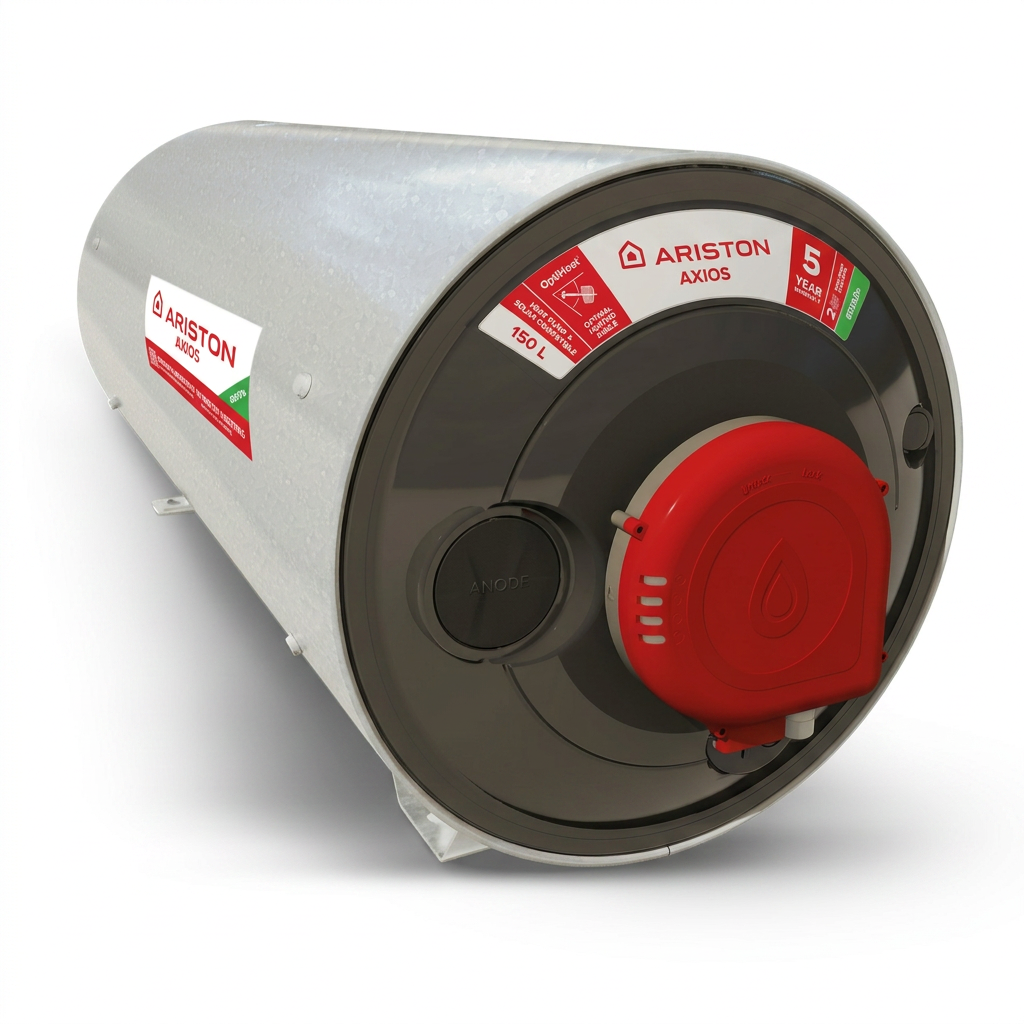
The Sensor controller clips onto the geyser, senses tank temperature and element draw in real time, and talks back to the utility's dispatch platform over cellular. Once installed, every geyser becomes a controllable node on the grid.
A compact controller wires in alongside the existing thermostat — no plumbing, no tank replacement. Installed in under 30 minutes by a qualified electrician.
Each unit talks to the utility platform over GSM/LTE-M, so there's no dependency on the homeowner's Wi-Fi or router uptime.
Onboard temperature and current sensors know exactly how much hot water is stored and when the element is drawing power.
The utility sends a single signal; thousands of devices respond in seconds, pausing or resuming heating without the customer noticing.
WHAT THE UTILITY GETS
Issue a control signal from the utility console; thousands of geysers respond inside the same minute. No truck rolls, no breakers.
Replace area-wide load shedding with short, staggered pauses across the geyser fleet. Customers keep lights, fridges and routers on.
Every shift is metered to the device. Granular MW-by-feeder reporting for the system operator, the regulator, and donor funders.
Fault, leak and element-failure alerts protect the asset base — and surface non-technical losses on the LV network.
WHO BENEFITS
NEXT STEP
We'll bring the hardware, the dispatch platform and the customer onboarding model. You bring two feeders and a 90-day window. By the end of it, you'll have measured MW you can dispatch on demand.